Signs You Have a Wasp, Hornet, or Yellow Jacket Problem
If you notice signs you have a wasp, hornet, or yellow jacket problem, local service providers can identify the issue and safely handle treatment to protect your home.
If you’ve recently noticed unexpected buzzing sounds, nests appearing on your property, or a sudden increase in wasps, hornets, or yellow jackets around your home or yard, these could be signs you have a wasp, hornet, or yellow jacket problem. Recognizing these early warning signs is important for property owners who want to prevent potential stings or structural damage. Local contractors who specialize in pest management can assess the situation and recommend effective treatment options, helping to keep your outdoor spaces safe and comfortable.
Understanding the signs of an active wasp, hornet, or yellow jacket presence can make a significant difference in addressing the issue promptly. If you observe aggressive behavior from insects near entry points or notice nests in eaves, shrubs, or other concealed areas, it’s wise to explore professional treatment services. Many local service providers have the experience to safely remove nests and reduce the risk of future infestations, making it easier to enjoy your property without worry. Keep reading to learn more about identifying these common pests and how local experts can assist in managing them effectively.
- Wasp, Hornet, or Yellow Jacket Treatment - is needed when visible nests are found on a property, and local contractors can safely remove or treat the nests to prevent further issues.
- Wasp, Hornet, or Yellow Jacket Treatment - becomes necessary if there are frequent sightings of aggressive insects near entry points, and service providers can assess and address the problem.
- Wasp, Hornet, or Yellow Jacket Treatment - is recommended when you notice a sudden increase in insect activity around your home, with local experts handling the removal professionally.
- Wasp, Hornet, or Yellow Jacket Treatment - is advised if you experience multiple stings or suspect a large colony nearby, with local contractors equipped to eliminate the threat.
- Wasp, Hornet, or Yellow Jacket Treatment - should be considered when there are signs of nests in hard-to-reach areas, and local service providers can perform safe and effective removal.
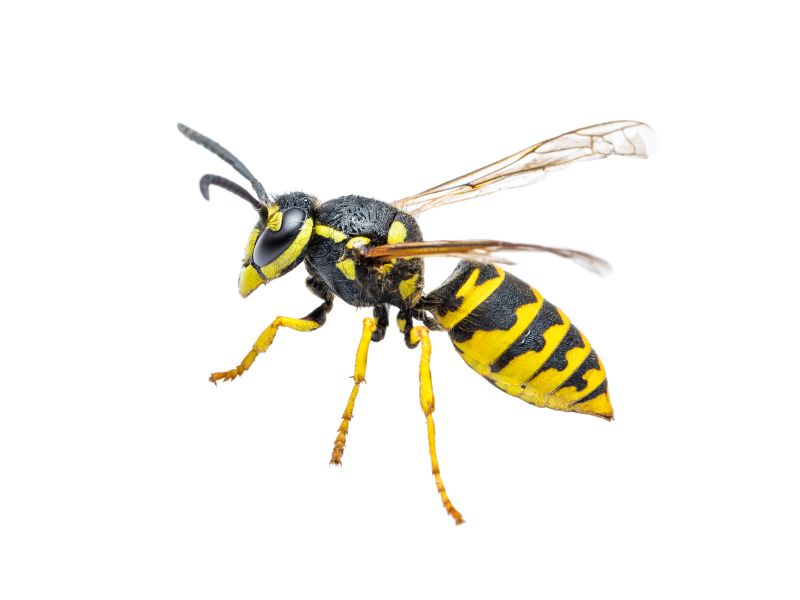
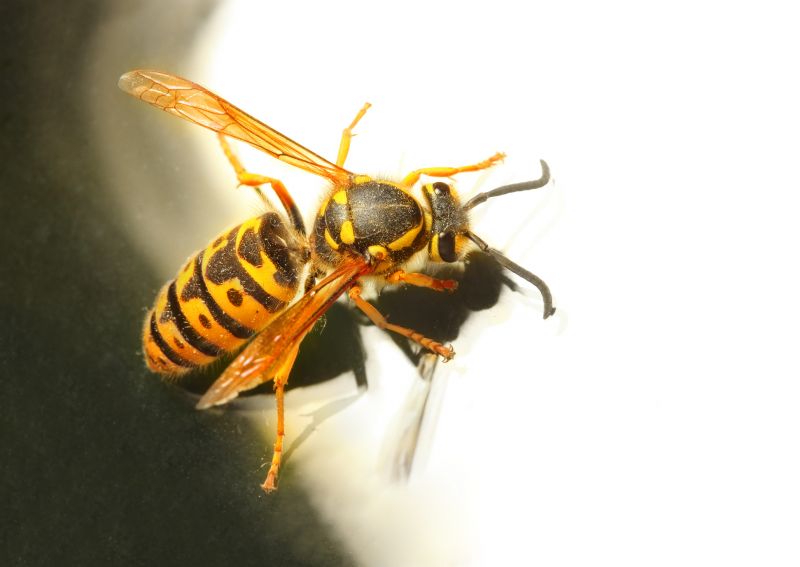
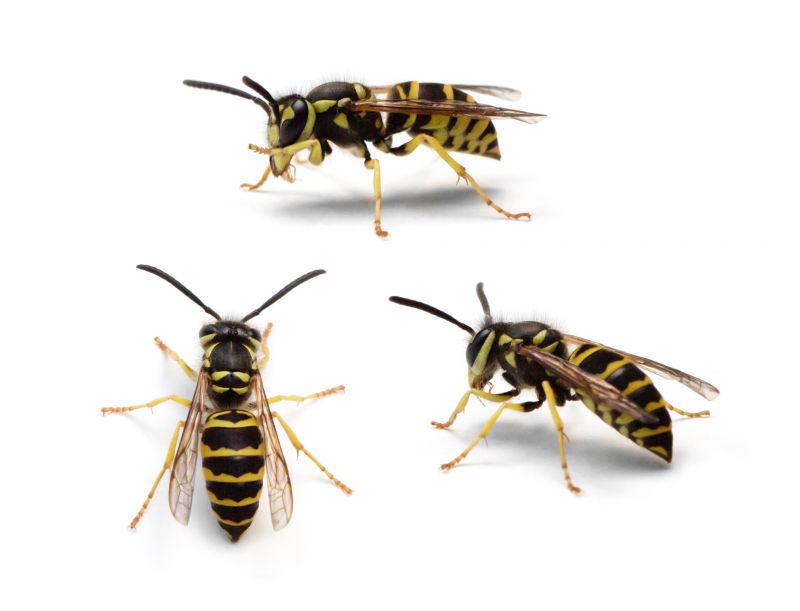
Understanding the signs you have a wasp, hornet, or yellow jacket problem is essential for homeowners who want to address potential pest issues early. These insects are often mistaken for one another, but each species can pose different risks depending on their nesting habits and activity levels. When people search for this topic, they usually want to identify whether they have an active nest nearby or if they are simply noticing insect activity that could indicate a larger problem. Recognizing subtle clues, such as increased insect presence around certain areas or unusual buzzing sounds, can help determine if a professional treatment might be necessary to prevent stings or property damage.
This concern is closely related to property management and pest control planning. Problems with wasps, hornets, or yellow jackets often lead homeowners to consider removal services or preventive treatments to keep their outdoor spaces safe and comfortable. These insects tend to build nests in or around homes, especially in sheltered areas, making it important to identify early warning signs. Homeowners might also be exploring plans for seasonally managing these pests or seeking advice on how to handle active nests safely. Connecting with local service providers can help ensure that appropriate strategies are used to eliminate nests and reduce the risk of aggressive encounters.
Properties that typically come up in discussions about wasp, hornet, or yellow jacket issues include residential yards, decks, and gardens. These insects prefer to build nests in sheltered spots such as eaves, attic vents, shrubs, or underground. Commercial properties with outdoor dining areas or landscaped grounds can also become hotspots for these pests. In many cases, the presence of nests in trees or structures close to frequently used outdoor spaces signals the need for professional intervention. Local contractors specializing in pest removal are equipped to assess the property, identify active nests, and implement safe removal or treatment plans to protect residents and visitors.
Recognizing the signs of a wasp, hornet, or yellow jacket problem helps homeowners connect the dots between insect activity and the need for professional pest control. Common indicators include visible nests, increased insect sightings, or stinging incidents around the property. These signs often prompt property owners to seek assistance from local contractors who can safely handle nest removal and provide ongoing prevention strategies. By understanding how these pests operate and where they tend to establish colonies, homeowners can better prepare for potential infestations and work with experienced service providers to manage the problem effectively.
Pest identification and inspection services - these projects involve identifying signs of pest activity, which is essential for recognizing wasp, hornet, or yellow jacket problems and coordinating with local contractors for treatment.
Wildlife exclusion and entry point sealing - sealing entry points to prevent wasps, hornets, or yellow jackets from nesting around a property relates to pest prevention and is performed by local specialists.
Yard and landscape pest management - managing pests in outdoor spaces helps reduce wasp and hornet nesting sites, with local pros providing tailored pest control solutions.
Structural repair and damage prevention - repairing damage caused by nests or preventing future infestations involves planning and execution by local contractors experienced in pest-related repairs.
Seasonal pest control treatments - applying targeted treatments during peak activity seasons aligns with services offered by local pest control providers for wasp, hornet, or yellow jacket issues.
Home maintenance and inspection projects - regular inspections for signs of pest activity support early detection and are often handled by local contractors specializing in property upkeep and pest prevention.
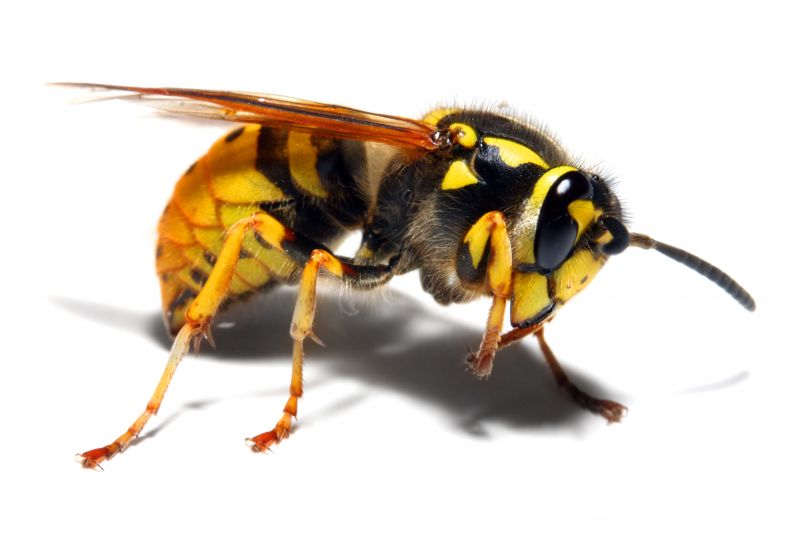
When evaluating local contractors for wasp, hornet, or yellow jacket treatment services, it is important to consider their experience with similar projects. An experienced service provider will have a clear understanding of the different species and their nesting habits, which can influence the approach taken to remove and prevent future infestations. Homeowners should inquire about the contractor’s background in handling these types of pests, ensuring they are familiar with common signs of a problem and effective treatment methods. A contractor with relevant experience can often provide insights into what to expect during the process and how to identify ongoing issues, helping to ensure the work is thorough and appropriate for the situation.
Clear written expectations are essential when comparing local service providers for pest treatment. Homeowners should seek detailed descriptions of the scope of work, including what areas will be treated, what methods will be used, and what the homeowner can expect during and after the service. Transparent communication about the process helps prevent misunderstandings and ensures that both parties are aligned on the treatment plan. Service providers who can articulate their approach in writing demonstrate professionalism and a commitment to clarity, making it easier to assess whether their services meet the specific needs of the property.
Reputable references and good communication are key factors in selecting a reliable pest control provider. Homeowners can ask for references or reviews from previous clients to gauge the quality of the contractor’s work and their professionalism. Additionally, responsive and clear communication during the inquiry process can indicate how well the contractor will handle questions or concerns throughout the project. A service provider who maintains open lines of communication and provides verifiable references is more likely to deliver a positive experience and effective treatment, giving homeowners confidence in their choice when addressing signs of a wasp, hornet, or yellow jacket problem.
Property owners often search for signs you have a wasp, hornet, or yellow jacket problem when they are planning practical projects around their homes and businesses. Local pros provide Wasp, Hornet, or Yellow Jacket Treatment services for everyday jobs and straightforward project options.
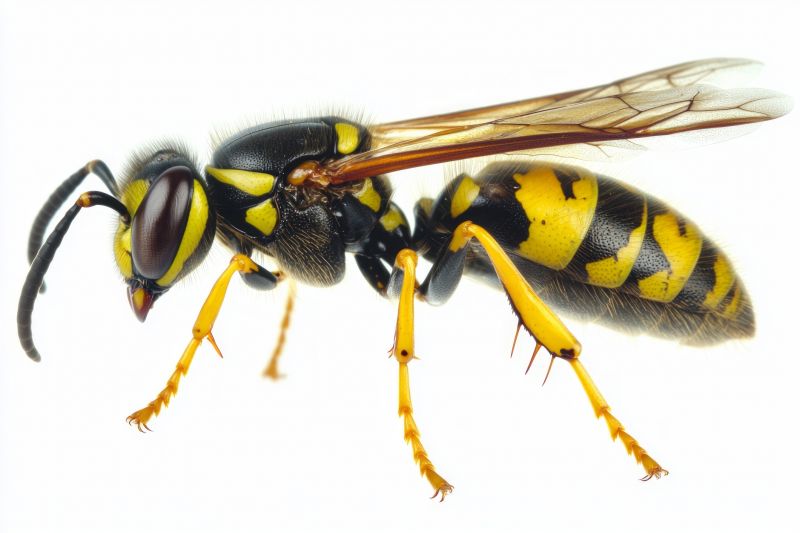
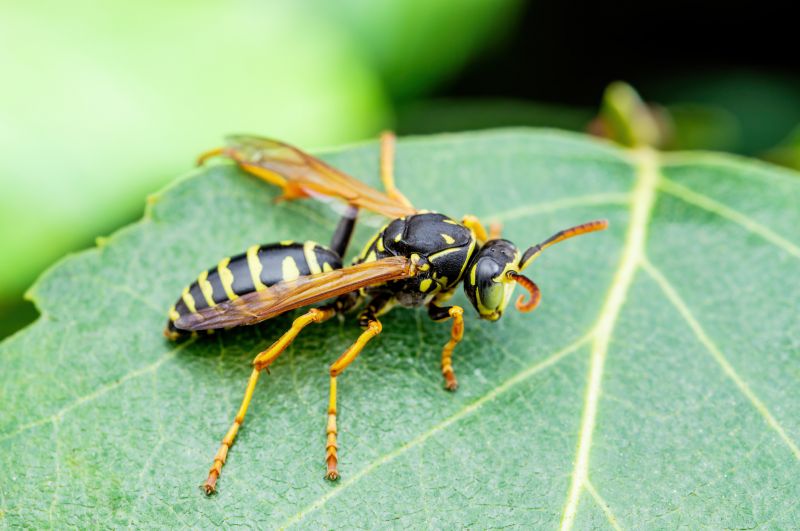
Property owners in the area often notice wasps, hornets, or yellow jackets around their homes or yards, especially during warmer months. Common signs include seeing nests built in eaves, shrubs, or underground, as well as frequent sightings of aggressive insects near food, trash, or outdoor gathering spots. These insects can become a nuisance quickly, particularly if they start to swarm or if someone in the household has allergic reactions. Recognizing these signs early can help property owners determine when professional treatment from local contractors might be necessary to safely remove nests and prevent future problems.
In addition to visible nests and insect activity, property owners might experience increased stinging incidents or notice a persistent buzzing sound in certain areas of their property. These clues often indicate a nearby hive or colony that needs attention. Since wasps, hornets, and yellow jackets can pose health risks, especially if disturbed, many choose to seek help from local service providers experienced in pest removal. These professionals can assess the situation and provide effective treatment options to eliminate the problem and reduce the likelihood of recurring issues.
What are common signs of a wasp, hornet, or yellow jacket problem? Visible nests, especially in eaves, shrubs, or underground, along with increased insect activity around your property, can indicate a wasp, hornet, or yellow jacket issue. If you notice stinging insects near entry points or outdoor areas, it may be a sign of an active nest that requires professional treatment.
How can I tell if I have an active nest nearby? Signs of an active nest include persistent buzzing sounds, wasps or hornets entering and exiting a specific area, and the presence of multiple insects gathering around a particular spot, such as a wall cavity or tree branch.
Are there any visual clues that suggest a wasp, hornet, or yellow jacket infestation? Yes, spotting a large number of stinging insects in one area, especially if they are gathering around a nest or hive, is a clear visual sign of a problem that should be addressed by local contractors.
What should I do if I suspect a nest but can't see it? If you notice signs like increased insect activity or buzzing but cannot locate the nest, it’s advisable to have local service providers evaluate the situation to identify and safely remove the nest if necessary.
When is it necessary to seek professional treatment for wasp, hornet, or yellow jacket issues? Professional treatment is recommended when nests are located in hard-to-reach areas, if there are multiple nests, or if there is a history of aggressive insect activity around your property to ensure safe and effective removal.
Identifying visible nests - noticing large, papery or enclosed nests on eaves, trees, or walls can signal a wasp, hornet, or yellow jacket problem that local contractors can address.
Observing aggressive behavior - frequent stinging or defensive actions near certain areas may indicate active nests, prompting professional treatment from nearby service providers.
Noticing increased insect activity - a sudden rise in flying insects around your property can be a sign of a nest nearby, which local experts can safely remove.
Finding stings or bites - experiencing unexpected stings or bites during outdoor activities suggests the presence of aggressive wasps, hornets, or yellow jackets that local contractors can help eliminate.
If you are thinking about signs you have a wasp, hornet, or yellow jacket problem for a property, this guide is meant to help you understand this topic, the typical project types, and how different options might fit your plans.
When you are ready, you can use the quote form on this page to share a few details about your project. From there, local pros can review the basics and follow up with options that match what you have in mind.