Where Stinging Insects Commonly Build Nests Around Buildings
To effectively eliminate stinging insects, local service providers can identify and remove nests built around common areas of buildings, ensuring safety and peace of mind.
Understanding where stinging insects commonly build nests around buildings can help property owners prevent potential issues before they arise. These insects often choose sheltered, undisturbed spots that provide easy access to food sources and suitable materials for nest construction. Recognizing these common nesting sites around homes and commercial properties is a practical step in safeguarding the safety and comfort of a space. Local contractors experienced in stinging insect control can assess these areas and implement effective measures to reduce the likelihood of nests forming in problematic locations.
For property owners in the area, exploring this topic can lead to a better understanding of how to minimize encounters with stinging insects and protect the property’s overall safety. Knowing where these insects tend to build nests allows for proactive management, especially in spots that might otherwise be overlooked. Service providers who specialize in stinging insect control are equipped to handle these specific nesting sites, offering solutions tailored to the unique needs of each property. Continuing to read can help identify practical strategies and connect with local experts who can help keep outdoor spaces safe and comfortable.
- Attic and eaves nests - when homeowners notice stinging insects around rooflines, local contractors can identify and remove nests built in attics or eaves to prevent infestations.
- Wall void nests - if insects are seen entering wall openings, service providers can inspect and treat hidden nests within wall cavities around building exteriors.
- Ground-level nests near foundations - when insects establish nests near building foundations or entry points, local pros can safely remove or treat these ground nests to reduce activity.
- Gutter and soffit nests - in cases where nests are built within gutters or soffit areas, experienced contractors can perform targeted removal and preventive treatments.
- Roof ridge and vent nests - if stinging insects are found nesting along roof ridges or vents, local service providers can carefully remove these nests to minimize the risk of stings.
When searching for information about where stinging insects commonly build nests around buildings, homeowners often want to understand the typical locations these insects prefer for nesting. This knowledge helps in identifying potential problem areas around a property and planning effective control measures. Nests are often constructed in places that offer shelter, protection from the elements, and easy access to food sources. Recognizing these common nesting spots can also assist property owners in inspecting their surroundings regularly and taking preventative steps to reduce the likelihood of infestations.
Many people associate this topic with the problems caused by stinging insects, such as increased risk of stings, property damage, or the presence of large, visible nests. These concerns often lead homeowners to seek professional assistance for removal or prevention. In addition, some property owners plan to make their outdoor spaces safer and more comfortable by eliminating nests near entry points, patios, or play areas. Understanding where these insects tend to build nests allows local service providers to target high-risk areas effectively and offer tailored solutions that address specific nesting habits.
The types of properties where stinging insects most commonly build nests around buildings include residential homes, commercial buildings, and public spaces. In residential settings, nests are frequently found in eaves, soffits, attics, or wall voids. Commercial properties, such as warehouses or office buildings, often see nests in similar sheltered areas or around loading docks. Public parks, playgrounds, and outdoor recreational areas are also common sites, especially in places with abundant trees, shrubs, or structures that provide suitable nesting sites. Recognizing these property types helps homeowners and property managers understand where to focus their inspections and work with local contractors experienced in stinging insect control.
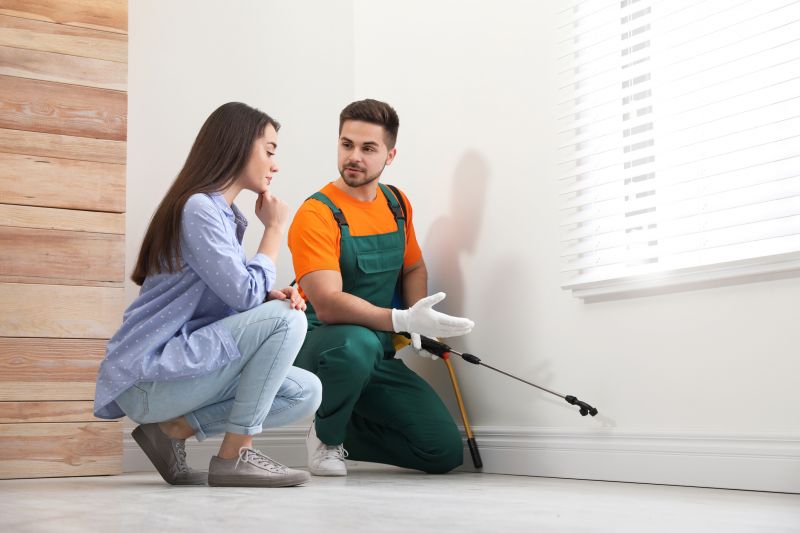
Professional stinging insect control providers are skilled at identifying and removing nests in these common locations around buildings. They can evaluate the property to pinpoint where nests are likely to form based on the structure and surrounding environment. These local contractors use targeted methods to eliminate nests safely and prevent future infestations. Connecting with experienced service providers ensures that property owners receive effective treatment tailored to the specific nesting habits of stinging insects in their area. Properly addressing these nesting sites helps reduce the risk of stings and creates a safer outdoor environment for residents and visitors alike.
Birdhouse Installation - Installing birdhouses requires understanding of building placement and environmental factors, skills that are also useful for managing insect nests around buildings.
Gutter Cleaning and Maintenance - Gutter work involves inspecting and clearing hard-to-reach areas, which can be similar to locating and removing nests in concealed building sections.
Exterior Home Repairs - Repairing siding or eaves involves careful planning and access techniques that are applicable when dealing with stinging insect nests in similar locations.
Attic and Wall Insulation Services - Installing insulation requires working within walls and attics, akin to inspecting and treating nests built in hidden parts of a building structure.
Tree Trimming and Pruning - Trimming trees near buildings helps prevent insect nesting sites and involves knowledge of plant structures, useful for managing nearby nest locations.
Pest Prevention Consulting - Providing advice on preventing pest nesting involves understanding common nesting sites and planning exclusion strategies, similar to stinging insect nest control.

When comparing service providers for stinging insect control around buildings, it is important to consider their experience with similar projects. Contractors who have a history of handling nests in locations like eaves, soffits, wall voids, or underground areas are likely to be more familiar with the common nesting habits of stinging insects. This experience can translate into more effective and efficient removal, reducing the risk of nests being missed or re-establishing later. Asking about the types of nests they have dealt with and the environments they are accustomed to working in can help ensure that the chosen contractor has relevant background for addressing nests around buildings.
Clear, written expectations are essential when evaluating local contractors for stinging insect control services. A reputable provider should be able to explain their approach to nest removal, including the methods and products they plan to use, as well as any precautions that might be necessary for building occupants. This clarity helps prevent misunderstandings and ensures that both parties are aligned on what the service will entail. Additionally, a detailed scope of work can provide peace of mind that the contractor understands the specific challenges associated with nests in areas where stinging insects commonly build nests around buildings.
Reputable references and effective communication are key factors in selecting a reliable service provider. Contractors with positive references from previous customers who had similar nesting issues can offer valuable insights into their professionalism and success rate. Good communication also involves promptly addressing questions, providing updates, and explaining the process in understandable terms. These qualities contribute to a smoother experience and help build confidence that the local pros will handle the nest removal thoroughly and responsibly. Prioritizing these aspects can lead to a more satisfactory outcome when dealing with nests where stinging insects tend to build around buildings.
Property owners often search for where stinging insects commonly build nests around buildings when they are planning practical projects around their homes and businesses. Local pros provide Stinging Insect Control services for everyday jobs and straightforward project options.
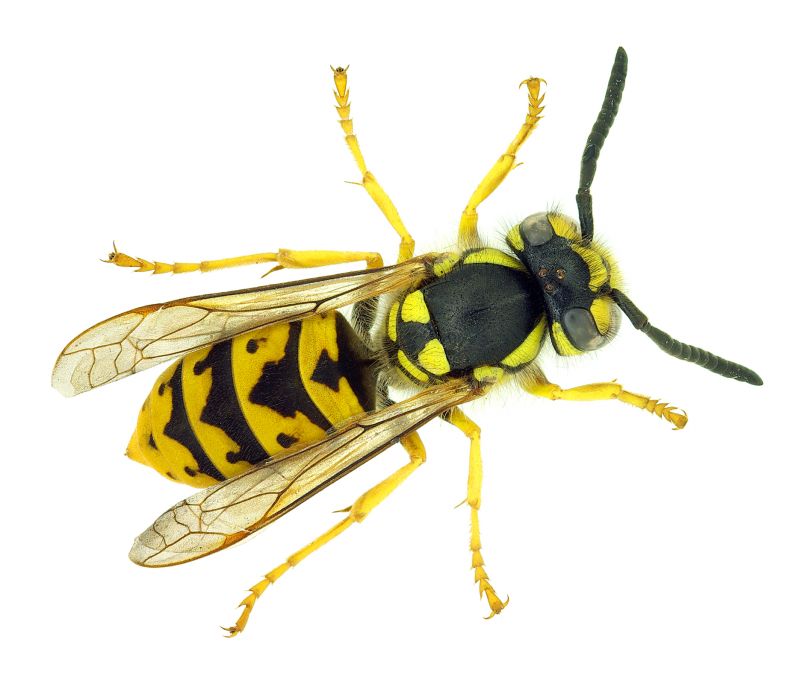

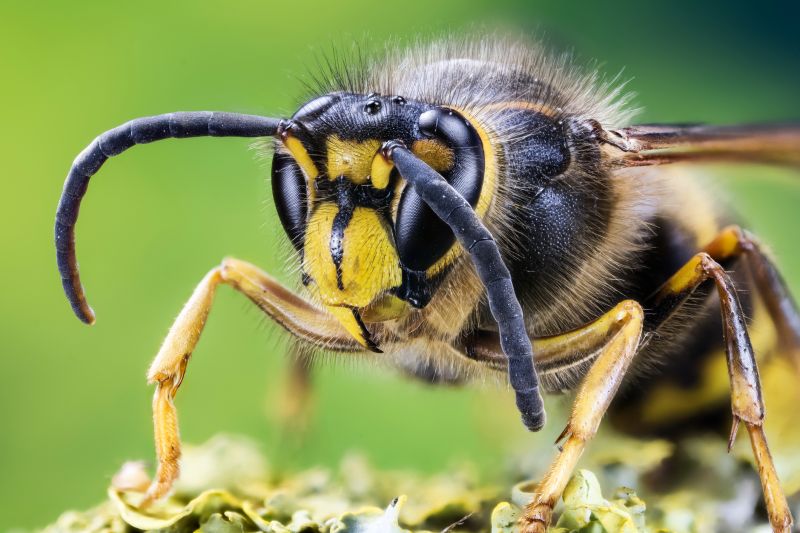
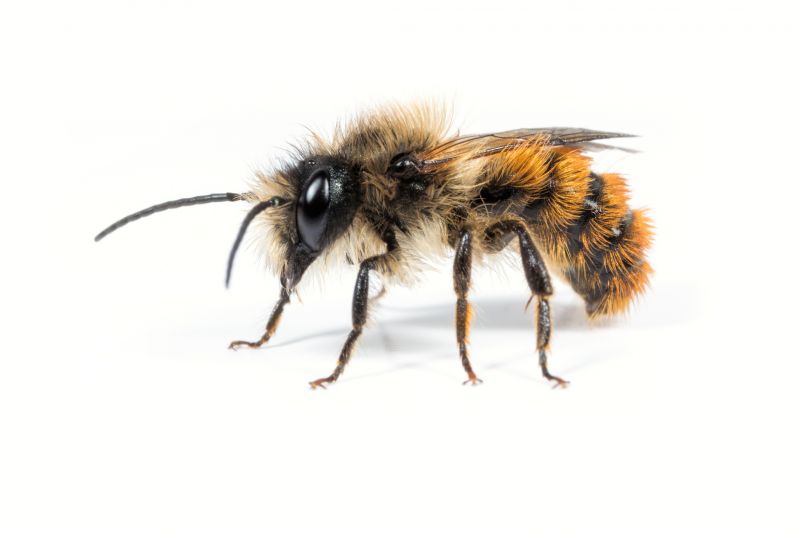
Stinging insects such as wasps, hornets, and bees often choose specific areas around buildings to build their nests. Common locations include eaves, soffits, and roof overhangs, where sheltered spots provide protection from the elements. Other frequent nesting sites are wall voids, behind shutters, or in shrubbery close to structures, as these spots offer easy access and concealment. Property owners who notice increased insect activity or find nests in these areas may seek out local contractors experienced in stinging insect control to safely remove or manage the nests and prevent future issues.
Understanding where stinging insects typically build nests around buildings can help property owners identify potential trouble spots early. Nests in high-traffic areas like entryways or near outdoor living spaces can pose safety concerns, especially for those with allergies or young children. Local service providers who specialize in stinging insect control can assess these common nesting sites and implement effective solutions to eliminate the problem. Connecting with experienced contractors ensures that nests are handled safely and efficiently, reducing the risk of stings and preventing new nests from forming in similar locations.
Where do stinging insects typically build nests around buildings? Stinging insects often build nests in sheltered areas such as eaves, soffits, attics, wall voids, and under roof overhangs around buildings. These locations provide protection and easy access for the insects to establish colonies. Local contractors experienced in stinging insect control can identify these common nesting spots and safely remove or treat them.
Are there specific parts of a building where nests are more likely to be found? Yes, nests are commonly found in areas like wall cavities, behind shutters, under decks, and inside vents or chimneys. These spots offer concealment and protection from weather. Professional pest control services can locate and eliminate nests in these hard-to-reach places to prevent infestations.
What building features attract stinging insects to build nests nearby? Stinging insects are attracted to structures with cracks, gaps, or openings that allow easy access to sheltered areas. Overgrown vegetation close to buildings can also encourage nest building. Local service providers can assess these features and recommend effective nest removal strategies.
Can the placement of a building influence where stinging insects build nests? Yes, buildings with poorly sealed openings or abundant shaded, sheltered areas are more likely to attract stinging insects for nesting. Proper maintenance and sealing can reduce nesting sites. Experienced contractors can help identify and address these attractants to minimize nest building around a property.
How can local pros help with nests built around buildings? Local stinging insect control specialists can inspect your property, identify common nesting sites, and safely remove or treat active nests. They have the expertise to handle nests in tricky locations and prevent future infestations, helping to keep your building safe and insect-free.
Identify common nesting spots - property owners can inspect eaves, soffits, and window frames where stinging insects often build nests around buildings and seek professional help to address these areas.
Monitor shaded and sheltered areas - areas like door frames, shrubbery, or under decks are typical nesting sites, and local contractors can assist in safely removing nests from these locations.
Check for signs of activity - observing frequent insect presence around certain spots can indicate nesting activity, prompting the need for expert removal services to prevent infestations.
Seal entry points and potential nesting sites - property owners can work with service providers to close gaps and openings that stinging insects use to access sheltered areas around buildings.
If you are thinking about where stinging insects commonly build nests around buildings for a property, this guide is meant to help you understand this topic, the typical project types, and how different options might fit your plans.
When you are ready, you can use the quote form on this page to share a few details about your project. From there, local pros can review the basics and follow up with options that match what you have in mind.